
Zeolite: What’s All the Buzz About This Natural Binder?
From volcanic minerals to digestive wellness, let’s explore why zeolite has become such a popular topic in the world of gut health. If you’ve spent any time exploring digestive health, cleansing, or detoxification, chances are you’ve come across the word zeolite. It’s being talked about as a natural binder, a digestive wellness supplement, and even a potential tool for dealing with unwanted substances in the body.
Sounds interesting, doesn’t it?
But before we jump on another wellness bandwagon, let’s understand what zeolite actually is, how it works, and what we know about its potential benefits.
What Exactly Is Zeolite?
Believe it or not, zeolite isn’t something new to gut health. It’s a naturally occurring mineral formed through geological processes involving volcanic materials and water. Its unusual microscopic structure contains tiny channels and cavities that allow it to attract and hold certain substances.
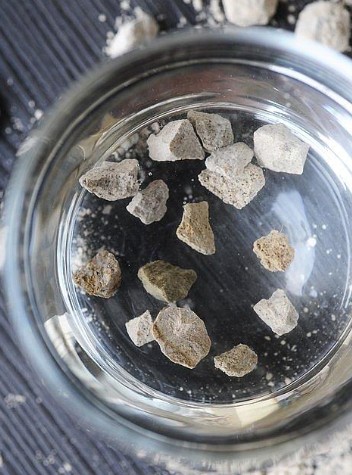
Think of it as a mineral with a built-in trapping system.
One particular type, called clinoptilolite, has attracted attention in the natural health community because of its ability to exchange positively charged particles, known as ions. These properties have made certain zeolites useful in water filtration, environmental cleanup, and industrial applications. And they’ve raised an interesting question: could those same properties be useful inside the human digestive tract?
What Is a Binder, Anyway?
Let’s talk about binders because this is where much of the interest in zeolite begins.
In simple terms, a binder is a substance capable of attaching to certain other substances. Some binders are used medically for very specific purposes. Others, including zeolite, are being explored for potential applications in digestive wellness. Zeolite’s mineral structure allows it to interact with certain positively charged substances through a process called ion exchange.
But there’s an important distinction.
Just because a mineral can bind something in a laboratory doesn’t necessarily mean it will remove that substance from your body when you swallow it.
Our digestive tract is a complex environment, and the way substances behave inside it can be very different from what happens in a laboratory. Still, the research is interesting, and there’s plenty worth learning.
1. Zeolite and Gut Health
Your gut does much more than digest last night’s dinner. It’s responsible for breaking down food, absorbing nutrients, moving waste through the digestive tract, and interacting with an enormous community of microorganisms.
Researchers have been investigating whether certain purified forms of zeolite may influence the intestinal environment and improve gut health. Some preliminary studies have explored changes in digestive symptoms and markers associated with intestinal barrier function. The findings have generated interest, although larger, well-designed human studies are needed before we can say that zeolite reliably improves digestive health.
2. Heavy Metals: Can Zeolite Really Bind Them?
This is probably the biggest reason zeolite has become so popular in the world of gut health. Certain zeolites can bind some metal ions under laboratory conditions, which is why they’ve been used in environmental applications.
Naturally, people began wondering whether zeolite could help bind unwanted metals in the digestive tract.
A small amount of human research has explored this possibility. However, we don’t yet have convincing clinical evidence that taking zeolite supplements removes accumulated heavy metals from body tissues or treats heavy metal toxicity. And that’s worth understanding because binding something in the gut and removing something already stored in the body are two very different things.
Anyone concerned about heavy metal exposure should seek appropriate medical testing and guidance rather than relying on an over-the-counter binder.
3. What About the Gut Barrier?
Your intestinal lining acts as a selective barrier between the contents of your digestive tract and the rest of your body. Its job is to allow nutrients through while helping regulate what stays out.
You’ve probably heard the popular term leaky gut, which is often used when discussing increased intestinal permeability.
Some early research has investigated whether certain zeolite preparations influence markers related to intestinal permeability. Although this is an interesting area of study, the evidence remains preliminary.
For now, maintaining good digestive health through adequate nutrition, fibre, and attention to underlying digestive conditions remains a more established approach.
4. Zeolite and the Gut Microbiome
We hear a lot about the gut microbiome these days, and for good reason. Trillions of microorganisms living in our digestive tract influence digestion, immune function, and many other aspects of health.
Because zeolite may interact with substances in the intestinal environment, researchers are interested in whether it could indirectly influence microbial activity. But does taking zeolite actually improve your microbiome? We don’t have enough reliable human evidence to say that it does.
In the meantime, feeding your beneficial gut bacteria with a varied, fibre-rich diet remains one of the most practical ways to support microbial health.
5. Is Zeolite Safe?
Here’s something that deserves attention.
Not all zeolite products are the same. Their mineral composition, purity, particle size, and manufacturing processes can vary considerably. And because zeolite is capable of interacting with certain substances, product quality is especially important.
Some products may contain unwanted contaminants, and we don’t have comprehensive long-term safety data for every formulation sold as a supplement. There are also unanswered questions about possible interactions with medications and nutrients.
If you’re considering zeolite, particularly if you take medication or have an existing medical condition, it’s worth discussing with a qualified healthcare professional.
Remember, natural doesn’t automatically mean risk-free.
6. The Bigger Picture: Cleansing, Elimination, and Your Body
Here’s where we think the conversation gets particularly interesting.
When people talk about gut health, binding, and detoxification, they often focus on what they can take to remove something from their bodies. But our bodies are already equipped with remarkable systems for processing and eliminating waste.
The liver processes and transforms a wide range of substances, while the kidneys filter blood and the digestive tract helps move food and waste through the body. Together, these systems play an essential role in the body’s natural cleansing processes, supported by healthy everyday habits.
At Let It Go, we encourage people to pay attention to their digestive health and bowel habits.
Are you moving your bowels regularly? Are you eating enough fibre? Drinking enough water? Giving your body the nutrients it needs?
These fundamentals may not sound as exciting as the latest supplement, but they’re an important part of the wellness picture.
It’s also worth remembering that having regular bowel movements is not the same as proving that stored toxins are being removed. Likewise, no cleansing treatment has been established as a way to remove accumulated heavy metals from the body. Understanding the difference helps us make better decisions.
So, What’s Our Take on Zeolite and Gut Health?
We think zeolite is fascinating! Here’s a mineral that’s been around for millions of years, with some genuinely interesting physical properties, and scientists are still exploring what those properties might mean for human health.
There’s a reason it’s generating curiosity. But there’s also a difference between promising research and proven results.
Zeolite may have potential applications worth investigating, particularly in relation to substances within the digestive tract. However, its use as a general detoxification supplement is not supported by strong clinical evidence at this time. And that’s okay.
We don’t need to dismiss something simply because science hasn’t answered every question. But we also don’t need to assume that every interesting theory is a proven health benefit.
At Let It Go, we believe the best approach to wellness combines curiosity, education, common sense, and respect for the body’s natural processes.
After all, taking care of what’s going on inside is about much more than the latest wellness trend. It’s about understanding your body and making informed choices that support your health for the long run.
Why We Carry Zeolite at Let It Go
One of the questions we often hear at the clinic is whether there is something people can take to help bind unwanted substances in the digestive tract. It’s a reasonable question, particularly for those who are exploring different approaches to gut health, full digestive wellness and cleansing. This is one of the reasons we carry zeolite at Let It Go.
It’s important, however, to distinguish between zeolite’s demonstrated binding properties and what has been proven to happen when someone takes it as a supplement. Research in humans is still limited, particularly when it comes to removing accumulated toxins or heavy metals from the body.
We recognize that some of our clients choose to incorporate binding agents into their personal wellness routines. Our role is to help them understand the products they’re considering, how they’re intended to work, and what questions they should be asking. We carry zeolite as an option for those interested in exploring it, while recognizing that no single supplement replaces the fundamentals of good digestive health.
As always, we’re happy to talk through your questions and help you make informed choices about what may be appropriate for you.
This article is intended for educational purposes and is not a substitute for professional medical advice.



No Comments