
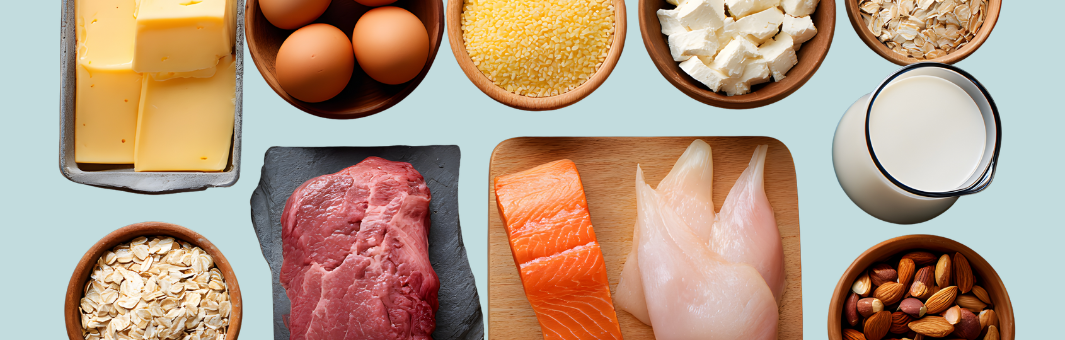
Protein is Essential
Your body uses protein to build muscle, repair tissues, and support healthy hormones and enzymes. But more isn’t always better. In recent years, high-protein diets have become popular for weight loss, athletic performance, and “clean eating,” yet many people don’t realize the strain excess protein places on the digestive system, kidneys, liver and overall health. We are a bit worried about this diet specifically, because we are the ones who end up seeing and trying to fix the not-so-pretty results.
If you’re focusing heavily on protein while neglecting fibre, water, and whole-food balance, you may be unknowingly creating internal stress that affects your gut, your energy, and even your mood. Here’s what every wellness-minded person should understand.
Protein Creates More Metabolic Waste
When your body breaks down protein, it produces nitrogenous waste — substances like urea, ammonia, and uric acid. These must be filtered out through the liver and kidneys.
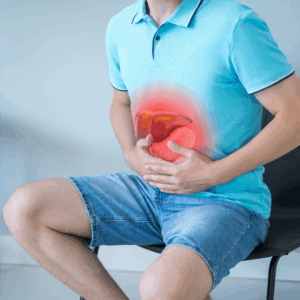
A consistently high-protein diet means more waste to process, which can:
- Increase stress on the kidneys and liver
- Contribute to dehydration
- Lead to heavier toxin load moving through the digestive system
For people prone to gout, liver congestion, or sluggish bowel movements, this extra waste can make symptoms worse.
NOTE: a high protein diet is a major contributor to gout, liver congestion, and chronic constipation.
Ask Jody about this… she has overcome all three of these said to be “normal, or hereditary” conditions through regular cleansing of the body through colonics and targeted internal cleaning protocols.
A High-Protein Diet Often Means Low Fiber
Most high-protein diets naturally crowd out fibre-rich foods like fruits, vegetables, whole grains, and legumes.
Without enough fibre:
- Digestion slows
- The colon becomes sluggish
- Beneficial gut bacteria will decline
- Toxins stay in the system longer
This can lead to constipation, bloating, discomfort, and a heavier toxic burden on the body. Many clients don’t have a protein problem — they have a fibre imbalance.
Dehydration Becomes More Likely
Protein metabolism requires water. When you eat more protein, your body pulls water into the digestive and filtration process. If you’re not replenishing it:
- Bowels become drier and harder
- Electrolytes can become imbalanced
- Detox pathways slow down
This is why people on high-protein diets often experience headaches, dry skin, sluggishness, or a feeling of being “backed up.”
High-Protein Diets Can Burden the Liver
Your liver is responsible for processing the by-products of protein digestion. Excess protein contributes to:
- Liver congestion
- Higher toxin accumulation
- Increased inflammation
- Difficulty breaking down fats and hormones
When the liver is taxed, everything slows — metabolism, digestion, and the body’s natural cleansing rhythms.
Gut Health Can Suffer
A protein-heavy diet, especially one high in animal proteins, can shift the pH and microbiome of the gut. This may result in:

- Reduced microbial diversity
- Increased putrefactive bacteria in the colon
- Stronger odour in bowel movements
- More intestinal gas
Over time, these changes can influence immunity, skin health, and mood.
High Protein Diets can Affect Hormones & Energy Levels
When your diet is unbalanced, your hormones follow. High protein with low carbs and low fibre can lead to:
- Cortisol elevation (stress hormone)
- Lower serotonin production (connected to mood and sleep)
- Energy crashes
- Blood sugar instability
Balanced nutrition supports balanced hormones.
So… How Much Protein Is “Enough”?
Needs vary, but for most adults, excessively high amounts aren’t necessary. What matters most is balance:
- Adequate plant-based fibre
- Hydration
- Colourful fruits and vegetables
- Healthy fats
- Quality protein in reasonable portions (a proper portion would be no bigger than your stomach, and your stomach is only the size of your fist.)
What You Can Do to Support Your Gut
If you’re eating a higher-protein diet or feel the effects of sluggish digestion, consider:
- Increasing fibre (especially soluble fibre)
- Drinking more water and herbal teas
- Adding magnesium-rich foods
- Prioritizing plant diversity
- Supporting the colon through hydration-based cleansing (colonics or enemas as home)
Colon hydrotherapy can assist the body in clearing accumulated waste, reducing stagnation, and restoring comfort — especially for those experiencing constipation or digestive heaviness from a protein-heavy diet.
The Bottom Line
Protein is essential, but balance is everything. A diet skewed too heavily toward protein — particularly without enough fibre and hydration — can overwork your digestive system, compromise gut health, and burden your detox organs.
By understanding how your body processes protein and adjusting your nutrition accordingly, you support not only your digestion but your energy, mood, and long-term wellness.
No Comments