
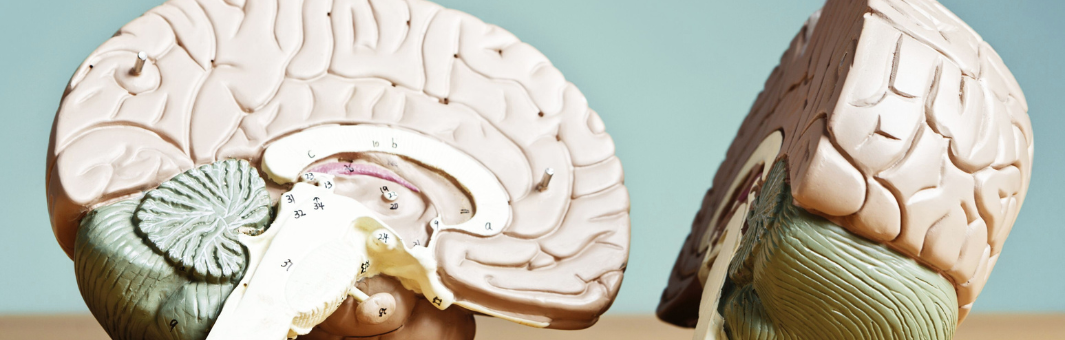
What’s the Connection?
Research on the gut–brain connection suggests that imbalances in the microbiome—such as inflammation, increased intestinal permeability, or reduced bacterial diversity—may contribute to the overgrowth of unhealthy bacteria and negatively impact overall health. Scientists continue to explore whether gut imbalances cause health concerns or whether underlying conditions disrupt the microbiome.

Bacteria on the Brain
Growing research continues to highlight the important relationship between gut health and overall well-being, including emotional balance and mental clarity. The microbiome—home to trillions of beneficial bacteria—plays a key role in digestion, immunity, and communication with the brain. When toxins, waste buildup, or imbalances burden the gut, the body responds with inflammation and stress that affect the entire system.
The digestive system and brain communicate through the gut–brain axis. When the colon doesn’t function well, it disrupts this communication, impacting energy, mood, focus, and the body’s natural detox processes. Colon hydrotherapy is a good way to support the body by encouraging elimination of accumulated waste. Eliminating waste helps create a cleaner, calmer internal environment.
Many people are familiar with the sensation of stress gut, feeling nervous, or experiencing digestive discomfort during emotional times. A reminder that the gut and brain are closely linked—so much so—that the gut is often referred to as our second brain.
Colonic therapy supports the gut–brain connection by promoting hydration, circulation, and balance in the large intestine. When clients care for and support their colon, they often feel lighter, clearer, and more at ease, allowing their bodies to reset and restore from the inside out.
The Gut-Brain Connection
Our two brains work separately, and together to keep us healthy. Our central nervous system (brain #1) controls all voluntary and involuntary actions in the body. Everything from blinking to walking. Our enteric nervous system (brain #2) controls digestion. Our 2 brains are constantly sending each other messages via a complex system of hormones and neurotransmitters that allows each system to provide assistance to the other if needed.
While the enteric nervous system initiates and sustains digestion on its own, signals from the brain, such as stress and anxiety, can have dramatic effects on how well it works. In addition, the brain receives chemical messages from the gut, which can affect your mood and emotions. The vast majority of serotonin is actually made in your gut, not your brain! So, if you have poor digestion and an imbalanced ratio of good to bad bacteria in your gut, your body is not able to produce the right amount of serotonin, thereby directly affecting your mood.
Stress is another emotion that has a major impact on our digestive health and overall well being. When stressed, our body goes into a response called “fight or flight.” During stress, the body enters fight-or-flight mode, increasing adrenaline and cortisol while diverting blood away from digestion to fuel the heart and muscles. When stress becomes chronic, the digestive system receives less support, which can interfere with healthy gut function.
What You Can Do
Supporting the gut microbiome and gut–brain connection starts with maintaining a healthy balance of beneficial bacteria. Eat a well-balanced diet that includes probiotic and prebiotic foods to help restore microbial balance by introducing beneficial bacteria and nourishing their growth through fiber-rich nutrients.
Probiotic Foods
Include a variety of probiotic foods to introduce beneficial live bacteria into your gut. Common options include plain yogurt, kefir, cottage cheese, sauerkraut, kimchi, kombucha, apple cider vinegar, and miso. Avoid cooking or processing these foods at high heat, which can destroy their probiotic benefits.
Prebiotic Foods
Unlike probiotic foods, prebiotic foods do not contain living organisms. They contain indigestible fibers that ferment in the GI tract, where they are consumed by probiotic bacteria and converted into other healthful substances. Prebiotic foods include artichokes, leeks, onions, garlic, chicory, cabbage, asparagus, legumes, and oats.
Supplements
Probiotic supplements have been shown to improve your overall digestive health. Probiotics can relieve symptoms of depression, anxiety, obsessive-compulsive disorder and other psychological and neurological conditions. Their use should be discussed with your nutritionist, physician or mental health care provider.
Supporting gut health is one of the most meaningful ways to care for the body as a whole. A balanced, well-functioning colon plays an essential role in immunity, mental clarity, and the body’s natural detoxification processes.
Through gentle colon therapy and digestive care, you can support your body’s ability to release, restore, and rebalance. You will feel lighter, clearer, and more connected to your body.
When you care for your gut, you truly can trust your gut.

No Comments