
Are probiotics necessary?
Our bodies—especially our guts—are like little ecosystems that thrive on a delicate balance of bacteria to keep things like blood sugar and cholesterol in check. And just like you’d water and nourish your garden, your gut needs its own special care with prebiotics and probiotics. After all, we’re just walking, talking gardens, right?
Probiotics are those “live microorganisms” (don’t worry, they’re the good kind) that, when you feed them in the right amounts, can totally boost your gut’s vibe. According to the International Scientific Association for Probiotics and Prebiotics, these little guys can help keep your gut microbiome in tip-top shape.
But a quick heads-up: not everything labeled as a “probiotic” is going to work its magic. Some foods and supplements out there don’t exactly live up to the hype. So, choose wisely, friend!
Should I take probiotic supplements?
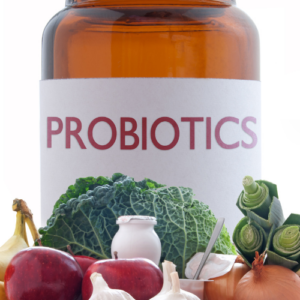
With over 1,000 clinical trials under its belt, probiotics are basically the stars of the gut-health world. But here’s the catch: there have been way too many different strains tested, making it a bit like trying to solve a 1,000-piece puzzle. The takeaway? Probiotics can be helpful, but finding the perfect one for your body? That’s still a bit of a mystery.
Sure, the evidence suggests probiotics might have some serious preventive powers—think immune boosts, better digestion, and all-around wellness—but don’t go calling it a magic bullet just yet. More research is definitely needed before we crown probiotics as the ultimate health hero.
How should I take probiotics?
Orally
There are plenty of ways to get your pre and probiotics in the mix. Sure, they love to hang out in fermented foods like sauerkraut and kimchi (hello, tangy goodness!), but they’re not just limited to your favorite jars of fermented veggies. You can find them tucked away in all sorts of food products, plus they come in liquid, powder, or capsule form—take your pick! It’s like a probiotic buffet out there.
Anally
At our clinic, we’re all about giving you the tools—and the know-how—to treat your gut right where it counts. Yep, we’re talking about getting those probiotics straight to the source—through the rectum and into the large intestine. Sounds a bit out there, right? But trust us, we’ve had great success with this method. Using an enema or bulb to deliver probiotics is a super effective way to give your gut biome the TLC it needs.
A note from Jody: Ever since I started treating my health from the bottom up, I’ve never felt better. It might sound weird at first, but your gut is your core—your root. A lot of problems start there, so if you’re not absorbing or metabolizing nutrients properly from the top, it’s time to clean up from the bottom. Seriously, the results are nothing short of amazing.
Is There Any Science?
When diving into the science behind probiotics and their impact on health, the NIH has got some solid backing to offer. According to their reports, here’s what the body of evidence really says about probiotics:
Atopic Dermatitis
When it comes to eczema, especially the common form of atopic dermatitis, probiotics might help reduce the risk of developing it—and maybe even offer a bit of relief. But don’t get too excited, because the effects can be pretty limited. Plus, it all depends on the strain, timing, and the age of the patient. So, it’s not one-size-fits-all.
Now, here’s where things get interesting. We’ve found that the best way to see benefits is by delivering probiotics directly where you need them—yep, through the ol’ rectal route. Based on our clinic’s trials, we are convinced that using an enema or bulb insertion method provides longer-lasting, more effective results for our clients. Call it unconventional, but the proof is in the… well, the results!
Antibiotic-Associated Diarrhea
The science is clear: if you’re looking to fend off the dreaded diarrhea after starting antibiotics, starting probiotic treatment with strains like LGG (Lactobacillus) or Saccharomyces boulardii within 2 days of that first antibiotic dose can really help—especially for adults between 18 and 64. But if you’re a bit more seasoned in age, the effects seem to fizzle out.
And once again, we’re gonna say it: for the best results in managing diarrhea, we’re all about that enema or bulb insertion method. Trust us, it’s the kind of “bottom-up” care that really gets the job done!
Inflammatory Bowel Disease
IBD—whether it’s ulcerative colitis, or Crohn’s disease—is one of those pesky chronic conditions that doesn’t have a cure (thanks for nothing, science). When researchers dive into probiotics and IBD, most studies have reached a similar verdict: probiotics might offer some modest relief for ulcerative colitis, but Crohn’s? Not so much.
But here’s the kicker: in our experience, the real game-changer is tackling bacterial and yeast overgrowth, which is often the missing link. Yeast might not always show up in your stool, but trust us, it can still be lurking in your body. Getting rid of excess yeast can take time, but it’s exactly what’s needed to make real progress. So, yeah—it’s all part of the gut-health puzzle!
IBS, SIBO
IBS and SIBO—two of the most common, yet elusive, functional gastrointestinal disorders. Like the annoying friend who shows up when you’re stressed or when your gut microbiomes’ out of whack. The good news? Probiotics may help with certain symptoms, but let’s be real, we still need more clinical trials to figure out the perfect strain, dosage, and how long we should be on them.
Now, here’s where we take things up a notch: a solid bowel cleanse (hello, colonic!) can work wonders. IBS often starts with a bacterial imbalance, and sometimes a bit of leaky gut joins the party. So, before we even think about probiotics, we start with a good ol’ colon cleanse. It’s like pressing the reset button for your gut—fresh start, here we come!
High Cholesterol
Researchers have been busy testing probiotics to see if they can improve lipid profiles, and while the results are promising—especially when using multiple probiotic strains to lower total and LDL (the bad kind) cholesterol—there’s still a lot of “we need more studies” going on.
But here’s the thing—the magic happens when you get that probiotic and prebiotic balance just right, especially when paired with liver flushing. In our clinic, we’ve seen some seriously good results when combining colonics, GI cleanses, liver flushes, and probiotics. It’s like giving your whole system a VIP detox. Curious? Click here to check out the method we’ve perfected!
The Verdict
Still a bit murky. Whether you decide to try probiotics or not (they’re generally safe, but hey, we’re still waiting on those long-term safety studies), make sure you’re loading up on fiber and fermented foods. In our experience, a lot of people just aren’t absorbing enough to even get the full benefit of any supplements. So, cleanse time! Intestinal blockages? They’re real, we know first hand they exist, and they need to be dealt with.
Some fiber-packed, gut-loving, fermented foods include yogurt, kefir, fermented cottage cheese, kimchi, kombucha, and pretty much any other funky, fermented fruit or veggie you can get your hands on. These foods not only help with gut diversity, but Stanford University’s research has also shown they can reduce inflammation. So, go ahead—let your gut have a party!

No Comments