
Have no fear! The enema can help you clear 🙂
Why do we fear the enema? Coffee, water, and many other enemas have been used for decades as part of alternative wellness routines. While not medically necessary for most people, some use them to support detoxification or for relief from occasional constipation. Others use them as targeted treatments. If you’re considering trying one, have no fear!
Here’s a basic guide to help you understand the process—and, most importantly, how to do it safely.
How to self-administer an Enema (Without Making It Weird)
Let’s talk enemas— how to use and administer an enema safely.
Whether you’re backed up, prepping for something medical, or just feeling adventurous in the world of colon care—here’s how to do the deed, step by step.
🛠 What You Will Need:
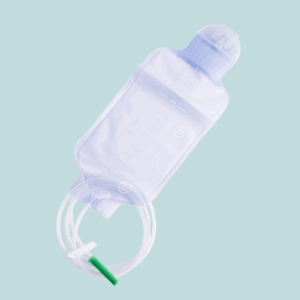
- An enema kit – store-bought squeeze bottle, an enema bulb, a bucket or a beautiful silicone GO Bag from let it go!
- Lube (the slippery kind—nothing scented or spicy)
- Towel to lay on (just in case)
- Toilet nearby (trust me)
- Optional: gloves if you’re feeling extra hygienic
Preparing the Coffee Solution:
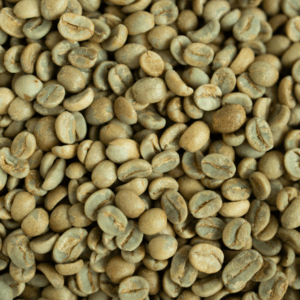
- Brew the coffee to a concentrate:
- Use 2–3 tablespoons of organic coffee per 1 quart (liter) of water. (Purchase our special blend “backdoor brew” made especially for coffee enemas)
- Bring to a boil and simmer for 10–15 minutes
- Let cool to body temperature (around 98–100°F or 37–38°C).
- Strain the coffee well to avoid grounds entering the tubing.
- Add filtered or alkaline water to your fresh concentrate to double it in size.
- Prepare your enema kit:
- Make sure all parts are clean and there is no mold in the hose from a prior use.
- Move the clamp to a position you can reach it and close it tight.
Not interested in a Coffee Enema?
Try these
- Chlorophyll (bind & heal): 2 tblsp in 500 ml water, administer
- Probiotic (reset gut bacteria levels): We like 500 B – 1 tsp in 300 ml water, let stand for 1 hour, administer
- Green Tea (cooling antioxidant): Brew organic green tea leaves as you would to drink, let cool, administer
Step 1: Set the Scene
Lay a towel down where you’re going to do this (bathroom floor, bed, wherever you are most comfortable and close to a toilet).
Make sure your enema solution is lukewarm—not ice bath cold or boiling hot. You’re not making tea.
If you’ve got a bag-style enema, hang it about 1–2 feet above you or lift it up when you’re ready to go. Gravity will do its thing.
Step 2: Assume the Position
The left side with your right knee up is the classic pose. It gives your colon the best “angle of entry.” Alternative: knees-to-chest, or bend forward standing if you’ve got good balance and confidence in your aim.
Step 3: Grease the Gear – have no fear
Put a little lube on the tip of the nozzle and around your rectum. Be generous—it’s not the time to be stingy.
Step 4: The Insertion
Take a deep breath. Gently insert the nozzle—about 2 to 4 inches in (you’re not plumbing a sink, keep it chill). Breathe, relax, maybe hum a song if that helps.

Step 5: Let It Flow
Be fearless here and slowly squeeze the bottle or open the clamp. Go at a comfortable pace—rushing might give you cramps, and nobody wants that. Open and close the clamp to let it flow slowly.
Open flow, close and rest, open flow, close and rest.
Repeat until you are holding an amount that is manageable and hold for 15 mins. If it hurts or feels super weird, stop, reassess and try again if you’re up to it.
Step 6: Hold It In
Now the fun part: clench and chill. Try to keep it in for 5 to 15 minutes. Lie back and read, listen to music, or just simply daydream—whatever keeps your mind off the growing pressure. Try to leave your phone in another room. Your cell phone agitates you even if you think it doesn’t.
Step 7: Let It Go (Elsa-Style)
When the time’s right (and you’ll know), head to the toilet and unleash the kraken. It might take a couple rounds, so don’t rush.
Aftercare:
- Clean all equipment thoroughly. Soap and water or hydrogen peroxide and water are perfectly fine. Castille or Dr. Bronners soaps are favourites of ours.
- Hydrate well with water or an electrolyte drink (16 oz).
- Rest and observe how your body feels.
⚠️ Cautions:
- Do not do coffee enemas too frequently—no more than 1–2 times per week unless you’re on a protocol directed by your healthcare practitioner.
- Avoid if pregnant, nursing, or dealing with bowel disorders, hemorrhoids, or heart/kidney issues.
- Monitor for signs of dehydration or electrolyte imbalance.
- Avoid enemas and call your doc if you have bleeding, severe pain, or you’re not getting results.
Why choose an Enema over a colonic?
Enemas can be great in certain situations—though it depends on the context and the person’s health needs. They are more cost effective and can be administered at home. Some people fear the colonic.
Here’s a breakdown of why some people use enemas over colonics:
Relief from Constipation at home
One of the most common uses:
- Enemas can help clear out impacted stool quickly and effectively. For serious or chronic constipation, it is recommended to book a few colonics for a full flush. Enemas can only do so much.
- Enemas can be useful when fiber, oral hydration, or laxatives haven’t worked.
Enemas for hydration of the Sigmoid (lower left side of colon)
Some people use enemas as part of a “colon cleanse” regimen:
- To flush out toxins and waste buildup at home as general gut maintenance.
- Enemas can give a feeling of lightness and improve overall digestion.
Preparation for Medical Procedures
Enemas used to be used more widely in hospitals before:
- Colonoscopies or surgeries to clear the lower bowel.
- Childbirth, to reduce the risk of bowel movement during delivery.

Rapid Absorption of Medication
Certain medications are delivered rectally:
- Enemas allow for fast absorption into the bloodstream. We recommend adding your probiotics to your enemas. Put the good bacteria right where it needs to be! Especially effective for our SIBO clients.
- Useful for clients who can’t take meds orally (e.g., anti-nausea drugs, corticosteroids for colitis).
Personal or Intimate Wellness Routines
Some people use enemas for:
- Hygiene or ritual purposes.
- Intimate preparation (especially in sexual wellness contexts).
⚠️ A Few Caveats:
Enemas shouldn’t be overused—they can:
- Disrupt gut flora, or irritate the colon if done improperly.
- Lead to dehydration or electrolyte imbalance.
Final Thoughts:
While coffee enemas are popular in natural wellness communities, we don’t deny that scientific evidence supporting these is limited. We just know from seeing results from our own use and that of our clients. As always, use discernment, do your research, talk to different practitioners, and prioritize safety.
Disclaimer: Always consult a healthcare provider before attempting a coffee enema, especially if you have any digestive, kidney, or cardiovascular conditions.

No Comments